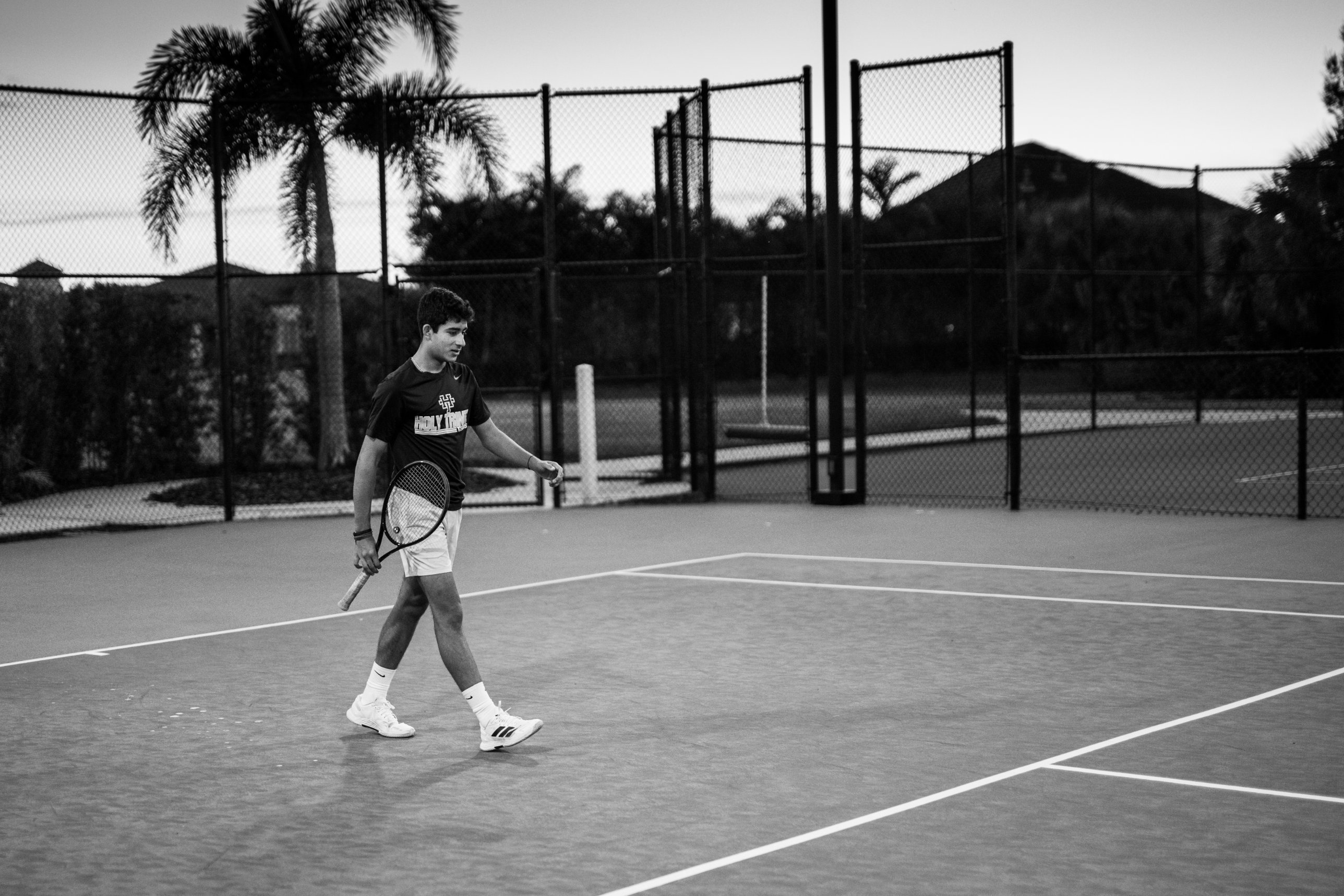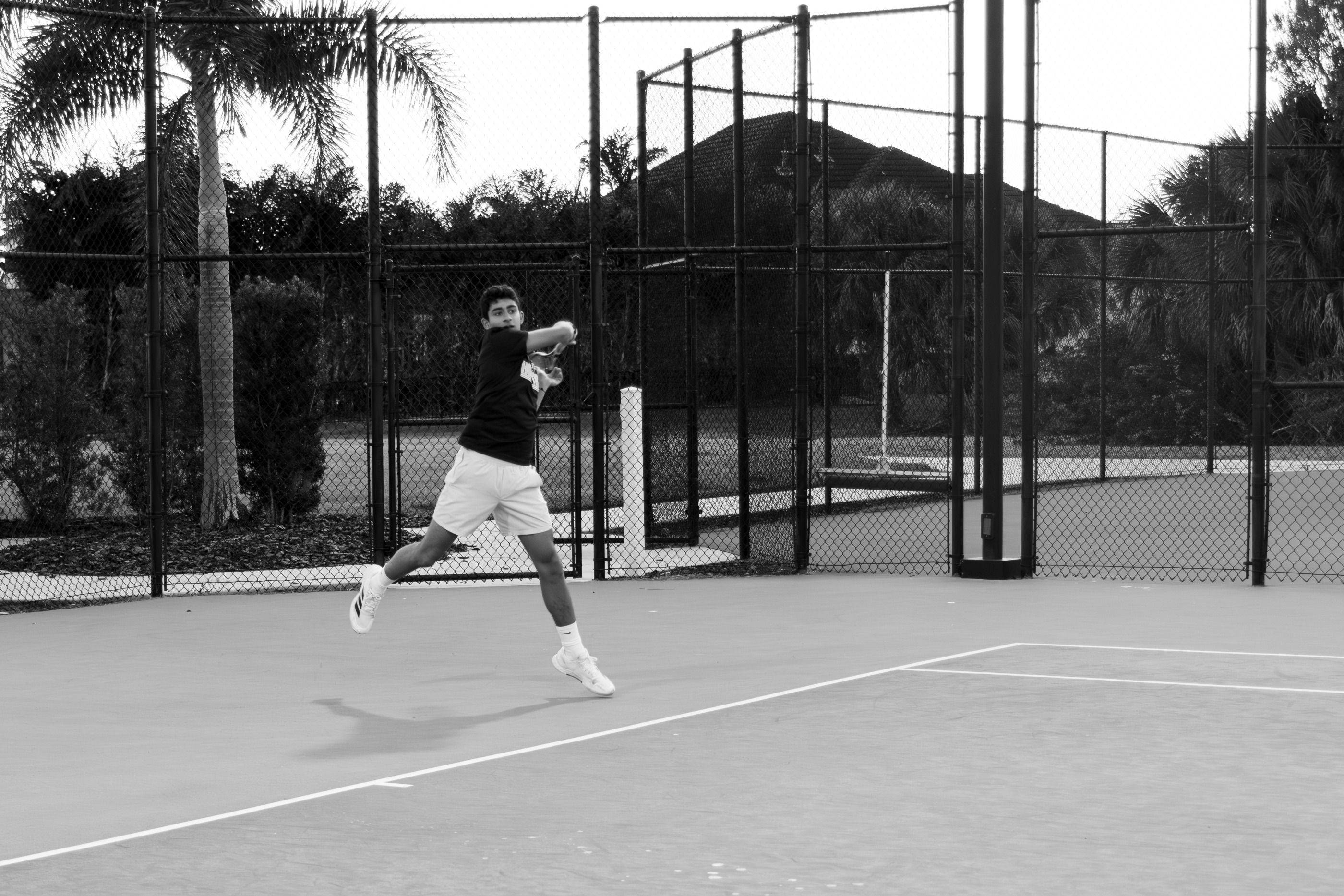
Every forehand deepens the groove.
For decades, cognitive science has studied how pressure affects performance and how practice transfers to matchplay. In tennis, I experience how these play out live.
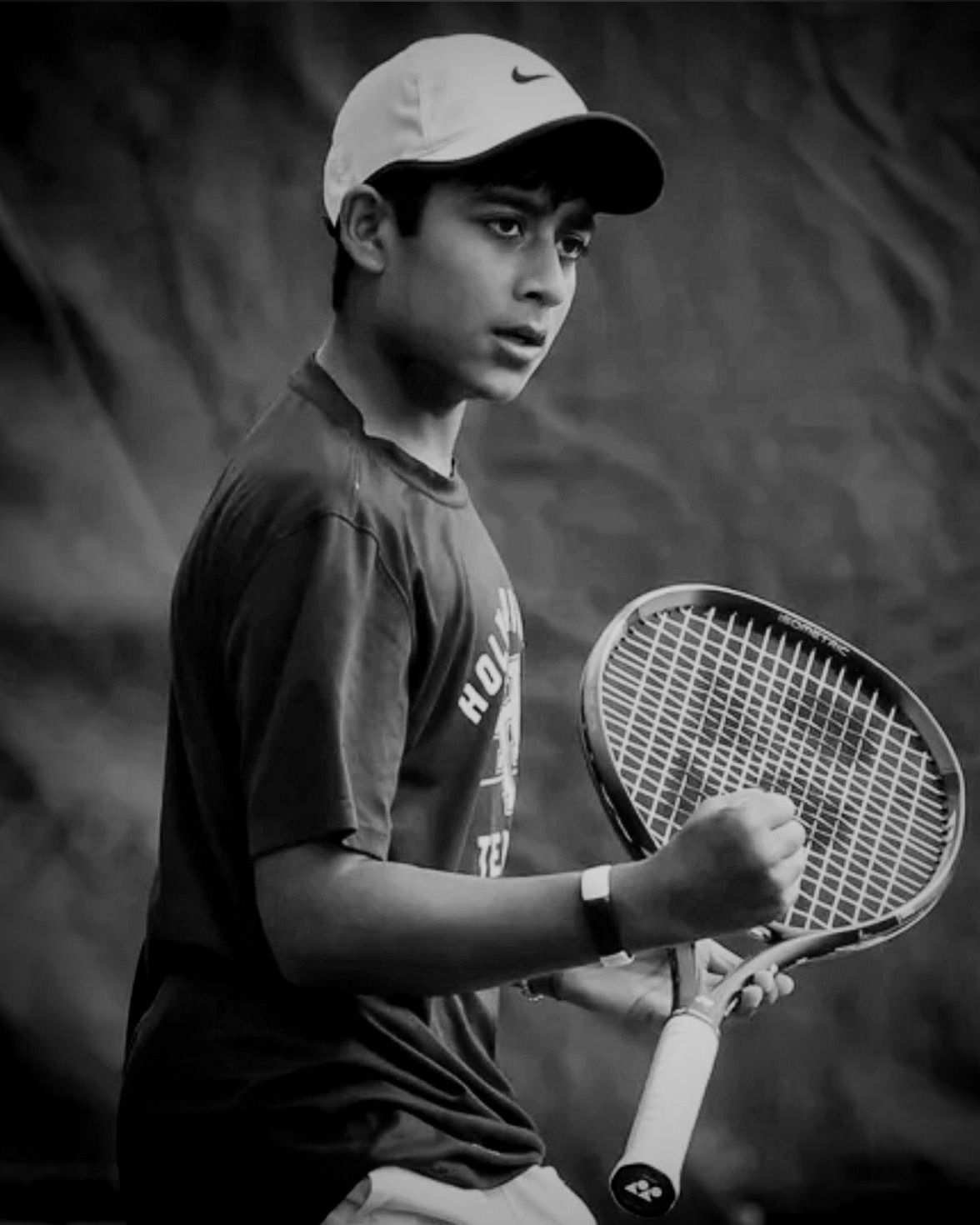
Since 2024, I have been documenting my thoughts and goals before every tournament, practice match, or training session and it is all on display here.
2024
Earliest page on the site — March 2024
11th
Grade — Class of 2028
354
Notebook pages on the site
17
Papers annotated for AP Research
My Personal Journey
2026.09.30
Ten papers on pressure, attention and the tennis serve
“Reading notes from my September AP Research annotated bibliography: how pressure, anxiety and attention shape what tennis players actually do on court.”
2026.08.30
Seven papers on blink-related oscillations
“Reading notes from my AP Research annotated bibliography: what each paper did, what it found, and why it matters to the paper I'm writing.”
2026.10.21
Nobody is beyond the basics
“Practice doesn't make perfect. Perfect practice makes perfect, because you can practice something the wrong way.”
2026.09.26
Why I'm asking scientists questions
“I've spent two years writing down what happens in my head before I play. Now I want to ask the people who study it for a living.”
2026.02.28
A clear tournament game plan
“If I keep a positive attitude, it is very likely that he will break down and get frustrated at some point in the match.”
2026.02.11
Bouncing back faster
“My goal today will be to bounce back faster when I lose focus or I get frustrated.”
2026.01.30
Thinking on my own
“This will allow me to think on my own and problem-solve myself.”
2025.09.04
Lessons from the film
“I just remembered that I am actually playing a match and not training, so I also want to focus on making a higher percentage of returns by not being as ambitious and just aiming deep through the middle.”
2025.07.27
No loose points
“I want to focus myself before every point and try to keep my lapses in concentration as short as possible.”
2025.06.15
Play the way you train
“Even if I know I can probably beat him just by outrallying him and running, this is not what I practice or how I play my best tennis. I will take today as an opportunity to practice what I train in a match setting.”
2025.04.12
Practice with an intention
“While I can keep my intensity high, that is not always going to be effective if I don't have what I want to work on in mind.”
2024.05.18
A plan for nervousness
“I can find comfort in the fact that my nervousness is not unique. Everyone feels it, and I even have a plan to deal with it.”
2024.04.03
The right antidote for each emotion
“I want to practice using the correct antidotes for each emotion. For example, I would need to activate calmness for frustration and anger, but enthusiasm for nervousness and anxiety.”
2024.03.15
Positivity under pressure
“If I succeed in carrying myself well, stepping in on my backhand, keeping my head up on my serve, and not reverting to pushing when under pressure, I will have a successful match. Win or lose, I will be proud of my effort.”
Interviews with researchers
Short interviews with neuroscientists, coaches, and sports psychologists who study how we learn and perform. Every participant reviews their quotes before publication.
2026.10.21
Nobody is beyond the basics
“Practice doesn't make perfect. Perfect practice makes perfect, because you can practice something the wrong way.”
2026.09.26
Why I'm asking scientists questions
“I've spent two years writing down what happens in my head before I play. Now I want to ask the people who study it for a living.”